Japan by city, culture and countryside

A first trip to Japan often begins with a familiar collection of images. Tokyo’s bright streets, Kyoto’s temples, a bullet train passing Mount Fuji. They’re compelling reasons to go, but some of the most interesting parts of a journey happen between those headline sights.
There might be a morning spent browsing ceramics in Kanazawa, a walk through woodland between old post towns, or an evening at a traditional inn where dinner deserves as much attention as anything you’ve visited that day. Bringing cities, cultural experiences and countryside together gives a holiday variety, with each place revealing something different.
The challenge is deciding what belongs in your trip. Japan offers enough to fill several holidays, and adding more stops doesn’t always make the experience richer. A few places chosen around your interests can give you a much stronger sense of the country, with time to enjoy each one properly.
Tokyo, one neighbourhood at a time
Tokyo is easier to appreciate when you think in neighbourhoods. Trying to cross the city repeatedly to collect its best-known sights can leave you spending more time in stations than you intended.
Give each day a smaller focus. You might spend one around the shops and streets of Shibuya and neighbouring districts, then choose somewhere with a different character the next morning. Yanaka and Nezu offer older streets, temples and small businesses that reveal another side of the capital. A walk here can be as rewarding as a visit to a major attraction, particularly if you leave time to stop whenever something catches your attention.
Food can help shape the day, too. A particular lunch, a bakery you want to try or an evening at a small restaurant gives you somewhere to head without dictating every hour around it. Leave room for the things you hadn’t planned to find.
For a first visit, we’d usually favour several nights in Tokyo rather than a brief arrival stop. It gives you time to recover from the flight, find your bearings and enjoy the city beyond the initial excitement.
Kyoto with time to look closer
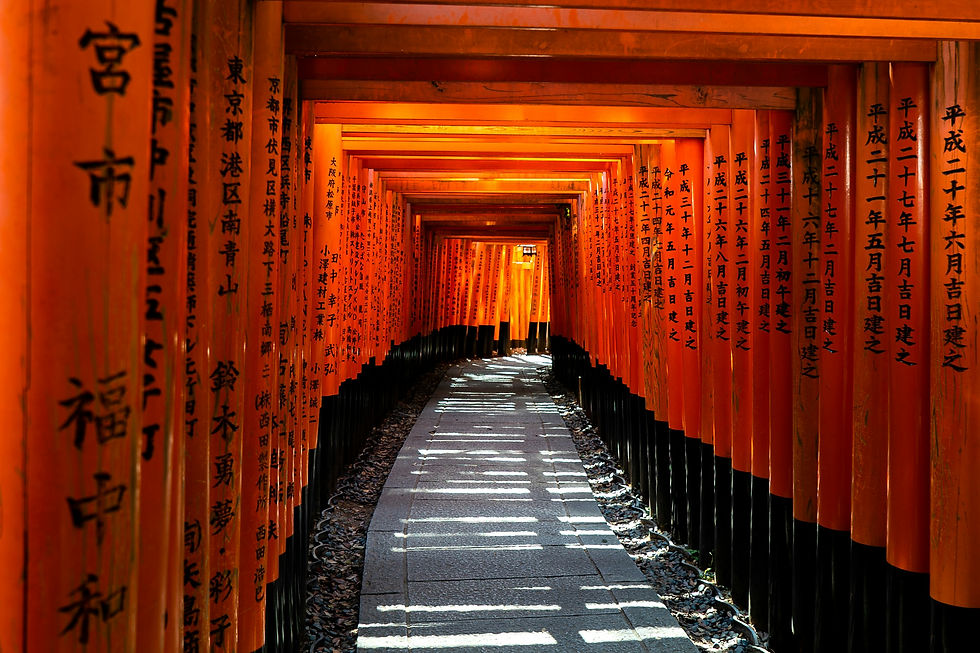
Kyoto deserves more than a hurried circuit of temples. Its famous sights are popular for good reason, but visiting several in succession can begin to blur the details that make each one different.
A more satisfying day might centre on one area, with a temple visit, time in a garden and a meal nearby. A guide can add real depth here, explaining what you’re looking at and helping you notice the materials, design and customs that might otherwise pass you by.
Your interests can also lead you beyond the busiest parts of the city. Fushimi’s brewing district offers a chance to explore Kyoto through sake, with its history closely connected to the area’s water and former river trade. Further south, Uji brings tea into the journey, giving you another way to experience the region beyond its celebrated temples.
These experiences work best when they have room around them. An afternoon devoted to tea, food or craft can tell you as much about a place as another landmark, particularly when you have the opportunity to ask questions.
Kanazawa for gardens and craftsmanship
For travellers drawn to art, design and beautiful objects, Kanazawa is a particularly rewarding addition. Kenrokuen Garden and the historic tea-house and samurai districts provide an introduction, but the city’s craft traditions give you a reason to stay longer.
Look beyond the souvenir shelves and you’ll find techniques with deep regional roots. Kaga Yuzen involves intricate silk dyeing, while Kutani ceramics are known for their decorative colour and detail. Workshops and specialist shops offer opportunities to understand how these objects are made, and in some cases to try a process yourself.
That can change the pleasure of browsing. A small bowl or piece of fabric becomes more interesting when you understand the work behind it. It also makes a thoughtful thread for a holiday, connecting what you see in museums with objects still being produced and used.
Kanazawa would suit a couple of nights within a longer route, especially if gardens and craftsmanship appeal. It’s a destination with plenty of its own identity, so we’d give it time rather than treat it as a quick substitute for Kyoto.

Into the Kiso Valley
After the cities, a few days shaped around walking can make a welcome change. In the Kiso Valley, stretches of the old Nakasendo route connect preserved post towns through a mountainous landscape.
This was once part of the road linking Kyoto with Edo, now Tokyo. Magome and Tsumago are among its best-known towns, with wooden buildings and an established walking route between them. The journey on foot is part of the attraction, giving you time among the trees and smaller settlements rather than simply arriving for a photograph and moving on.
An overnight stay can make this part of the trip feel more substantial. You can enjoy the town after your walk, settle into your accommodation and continue the following day without having to rush back to a city hotel.
The route should suit your walking ability, the season and the transport connections. This is where careful planning helps: the right countryside stop should give you a break from constant movement, even if reaching it takes a little more thought.
Making room for a ryokan
A ryokan, or traditional Japanese inn, can be one of the most memorable stays of a trip. It deserves time in the itinerary because the accommodation itself is part of the experience.
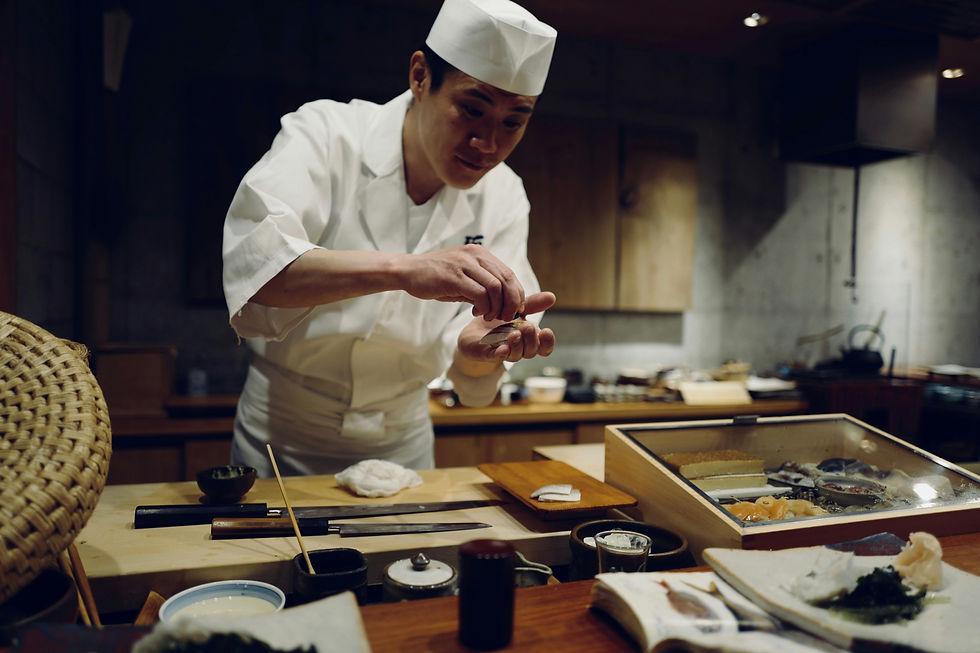
Many ryokan offer tatami rooms, a yukata to wear during your stay and carefully prepared meals. Dinner may be a multi-course kaiseki meal, with seasonal ingredients and presentation that invite you to slow down and pay attention. Breakfast can be equally distinctive.
An inn with onsen bathing adds another dimension, but the details matter. Not every ryokan has natural hot-spring baths, and room layouts, bedding and bathing arrangements vary. Some travellers love the full traditional experience; others would be more comfortable with Western beds or a private bath.
We’d aim to arrive with enough time to settle in before dinner. Filling the day with sightseeing and reaching the inn late can mean missing much of what makes the stay worthwhile. One or two well-chosen nights can bring a different pace to the whole holiday.


Art and island time in Setouchi
For a longer trip, or a return visit, the Seto Inland Sea offers another direction. Around Naoshima and the neighbouring art islands, museums, architecture and the coastal landscape become closely connected.
Naoshima’s Chichu Art Museum is a particular example, with Tadao Ando’s architecture and the use of natural light forming part of the encounter with the artworks. It rewards arriving with time to look properly, rather than squeezing it between a succession of ferry connections. Some major art sites require timed reservations, so the order of your visits matters.
Takamatsu can provide another base in the region, with Ritsurin Garden adding a very different kind of designed landscape to the trip. Pairing gardens with contemporary art gives this part of Japan a strong focus for travellers who enjoy both.
This is a region we’d build into the holiday deliberately, with enough nights to enjoy the journeys on the water. Museum opening days, ferry schedules and where you stay all influence how comfortably it fits together.
Let the season shape the journey
Cherry blossom is a wonderful reason to consider Japan, but it’s worth choosing a trip you’ll enjoy whether or not your dates coincide with peak bloom. The season moves through the country, and its timing varies each year.
Autumn brings another opportunity to see gardens and landscapes transformed, while winter can suit a holiday that includes hot springs and time in snowy regions. Summer has its own appeal, but heat and humidity can make a busy city itinerary tiring. June and early July also bring the rainy season to much of the country, with regional differences.
The useful question is how you want to spend your days. Walking between towns, visiting gardens and enjoying a city’s restaurants each place different demands on the weather. The route should follow both your interests and the time you have available.

Bringing the trip together
For a first holiday of around two weeks, we’d usually start with Tokyo and Kyoto, then consider one additional region or a traditional inn stay. Craft and gardens might lead you towards Kanazawa; walking could point you towards the Kiso Valley. If the art islands appeal most, give them a few nights and build the rest of the route around that choice.
Practical details can make that journey considerably easier. Luggage forwarding may allow you to send larger cases between hotels while travelling with a smaller bag for a countryside stay, provided delivery timings and accommodation arrangements work. Thoughtful connections can also reduce backtracking and leave more time where you actually want to be.
Bringing city, culture and countryside into the same holiday gives you time to appreciate Japan at different paces. You can spend days exploring Tokyo’s neighbourhoods, then follow a woodland path between old post towns, with food, craftsmanship and hospitality connecting your experiences along the way. Culture runs through all of it, from the busiest streets to the quietest inn, and having time for both is what makes the journey so rewarding.


Comments